
Testimony
March 03, 2026
Affordable Alternatives to Pricey Gas Line Replacements
Peoples Gas should only do pipe replacement as the last resort, ensuring that lower cost, lower risk alternatives have been reasonably ruled out.
By Saad Siddique, Economist & Energy Analyst
Chicago utility company, Peoples Gas, is proposing to raise rates again at a time when affordability is a top concern for many residents already. After spending an average $265 million annually on gas line replacement, the utility’s spending would more than double to $535 million annually on pipes from 2028-2034, making our gas bills skyrocket. Chicago families need a gas system that is safe and reliable, but they cannot afford to pay for unnecessary construction that locks in higher bills and stranded assets for decades, especially amid a growing climate crisis.
As ELPC’s Energy Analyst, I submitted written and oral testimony to the Chicago City Council Committee on Energy and Environment on March 3, 2026. I urged the Council to ensure that Peoples Gas uses the lowest cost, least disruptive tools available within a focused, safety-first plan that aligns with the Illinois Commerce Commission’s recent order for Peoples Gas’ Pipe Retirement Program.
Our city has a number of leak-prone gas mains that need attention, but Peoples Gas cannot treat that real need as a cash cow for runaway construction costs.
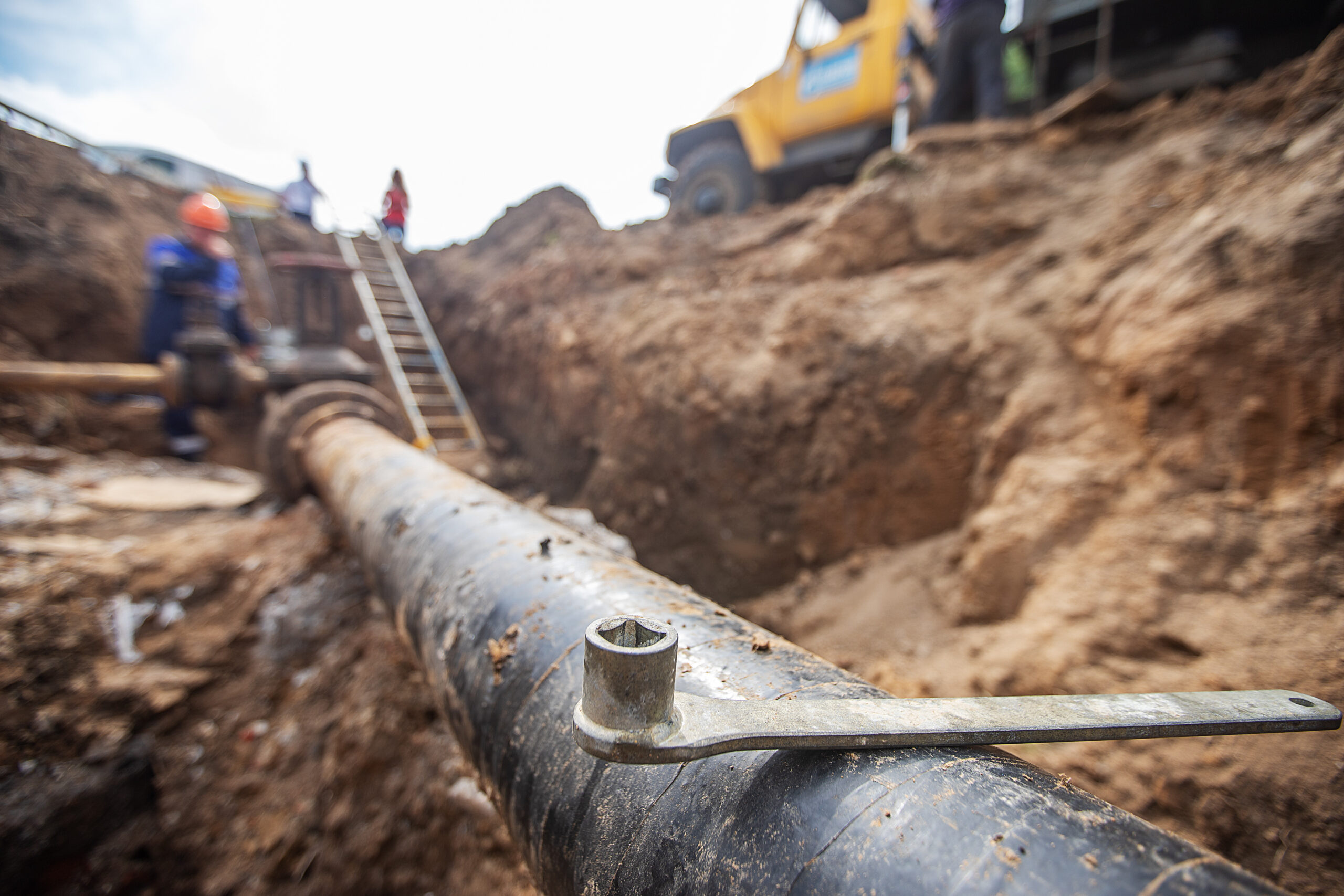 Unfortunately, that’s how they keep treating this problem. In 2023, seeing the utility’s construction program was driving bills too high, the Illinois Commerce Commission told them to pause and focus on the highest-risk segments and to study retirement and non-pipeline alternatives. Digging up and replacing a gas main is extraordinarily disruptive and expensive, and the reality is that it’s often unnecessary. Here are a couple of other options that have proven effective locally.
Non-pipeline alternatives
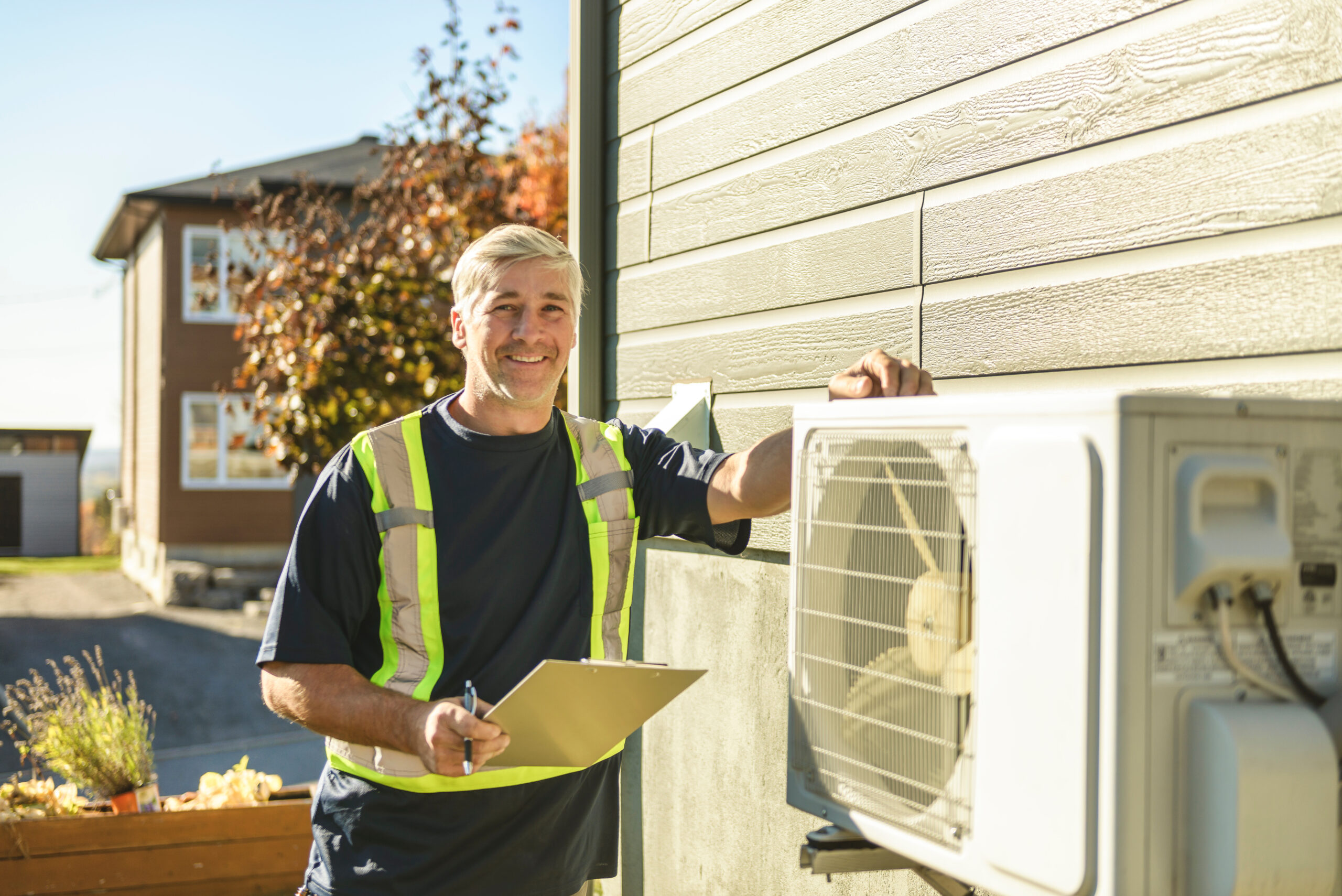
Heat pump installation
First, non-pipeline alternatives include swapping homes to electric appliances, using geothermal energy to heat and cool from underground air, efficiency and demand response programs to reduce waste, and more. In Groundwork’s Irving-Woods analysis, electrifying a cluster of 160 single-family homes could avoid $5 million in main-replacement costs, and the savings can support customer retrofits. It’s often cheaper and less risky to serve customers with alternatives and retire rather than rebuild the gas main.
Cured-in-Place Lining
Second, cured-in-place lining is an economic solution. Workers pull a resin-saturated liner through an existing main and it hardens it to create a strong “pipe within a pipe” that seals leaks and restores pressure performance. Peoples Gas used this approach in Chicago’s Canalport project, lining about 2,000 feet of 24‑inch main. They kept gas flowing, cut excavation to a few pits, and shortened the schedule by weeks. Not only was the lining less expensive than full replacement, it avoided the expense of paving, traffic control, and street restoration, saving millions while improving safety.
Risks of Full-Replacement Approach
Like the old phrase, “to a hammer, everything looks like a nail,” Peoples Gas is used to replacing pipes, and they’re financially incentivized to, so they’re inclined to keep doing it. But there are real risks to replacing everything. It drives customer bills higher than necessary to keep the system reliable. Each new main is a 60-year investment, and as more people switch to electric, the cost burden falls on a shrinking pool of people. Gas demand has been declining as Illinois makes progress towards its decarbonization and climate goals. We shouldn’t be paying to gold-plate a system based on last century’s technology.
Chicago’s choice is not between yes pipelines or no pipelines, but rather how to deploy each tool most effectively. Where non-pipeline alternatives can retire pipes entirely, or where relining can safely extend the pipe’s life at a lower cost, Peoples should do that option. They should only do capital-intensive pipe replacement as the option of last resort, ensuring that lower cost‑, lower risk‑ alternatives have been reasonably ruled out. Taking this approach will lower customers’ bills and put us in a better position to move towards electrification.
Please read my full written comments and additional appendix for additional detail and references. Thank you.

Saad Siddique,
Economist & Energy Analyst
Saad Siddique is an Economist & Energy Analyst in ELPC's Chicago office. He works on transitioning energy/utility systems to decarbonized, efficient, & affordable solutions for communities.
MORE FROM Saad Siddique