Solar installation at Wildtype Native Plant Nursery, Michigan
Update
May 21, 2026
Powering Rural America: Broad Coalition Champions the Rural Energy for America Program
The Rural Energy for America Program (REAP) continues to stand out as one of the most effective tools for strengthening rural communities, and a new FY 2027 appropriations letter highlights just how vital it remains
By Matt Ohloff, Policy Advocate
Backed by a broad coalition of national, state, and local organizations, the letter calls on Congress to maintain strong funding and ensure the program can keep delivering for farmers, ranchers, and rural small businesses across the country.
REAP’s impact is both tangible and far-reaching. Since its inception, the program has helped more than 30,000 rural businesses and agricultural producers adopt renewable energy and energy efficiency upgrades, lowering costs while boosting local economies. It has also driven more than $10 billion in private investment, demonstrating how smart public funding can unlock significant economic opportunity. From energy-efficient refrigeration in rural grocery stores to on-farm solar and efficiency improvements for poultry growers and dairy operations, REAP helps reduce operating expenses and keep essential businesses viable.
We highlighted a few of those success stories in our report REAP Success Stories.
READ ABOUT REAP SUCCESS STORIES
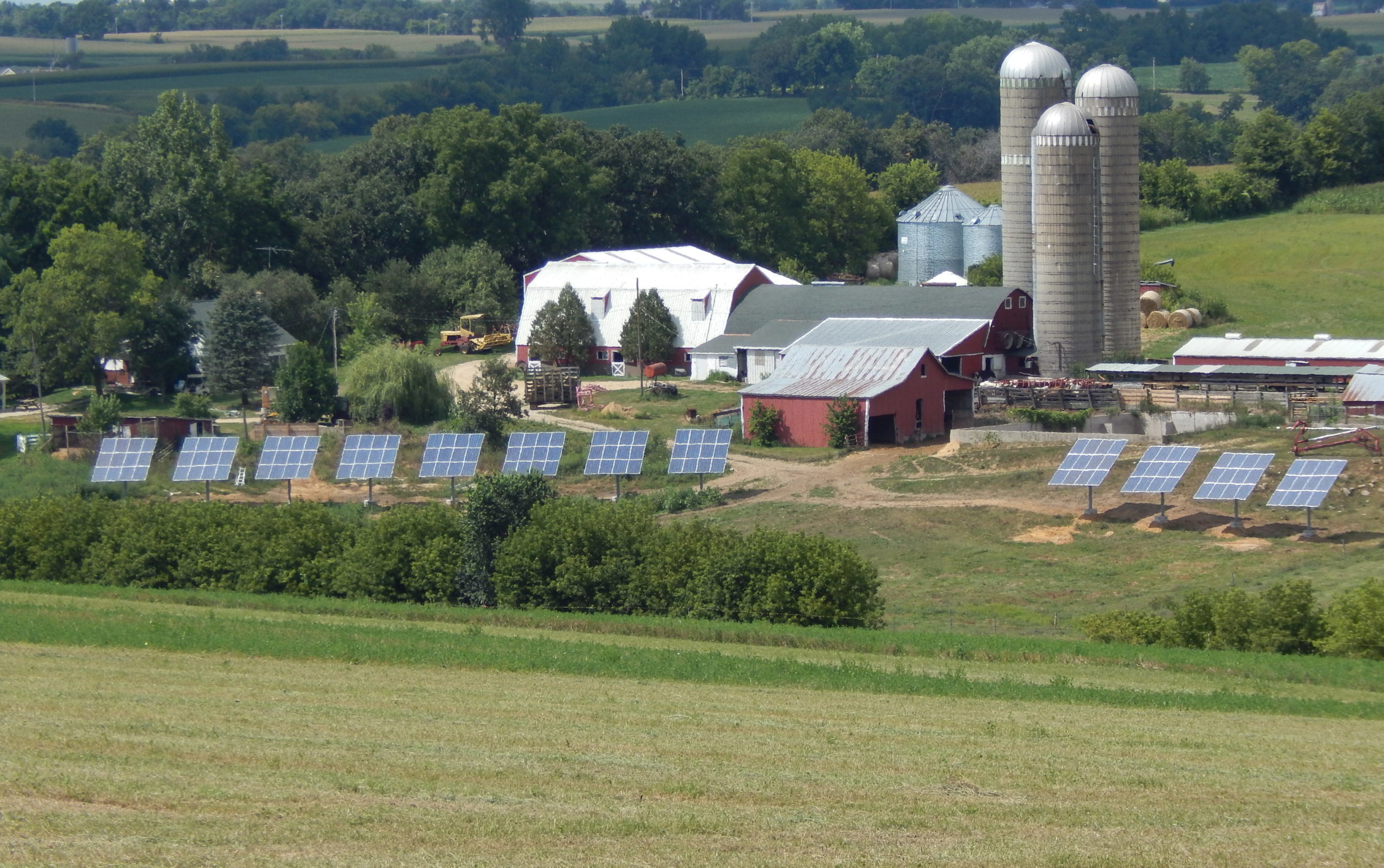
Solar panels at a family farm
What makes this letter especially powerful is the diversity of its supporters. National organizations like the National Farmers Union, Environmental Defense Fund, and Solar Energy Industries Association join forces with state groups such as the Geothermal Alliance of Illinois and Clean Energy Economy Minnesota. They are joined by agricultural leaders, clean energy advocates, and businesses ranging from cooperatives to family farms. This wide-ranging support underscores REAP’s bipartisan appeal and its importance across sectors.
At its core, REAP is about opportunity and helping rural America modernize, remain competitive, and thrive. Continued investment will ensure the program can meet demand, support innovation, and strengthen communities for generations to come.

Matt Ohloff,
Policy Advocate
Matt Ohloff is a policy advocate at ELPC's Des Moines, IA office, focusing on programs and policies that promote sustainability, combat climate change through clean energy, and advancing clean water and other natural resources.
MORE FROM Matt Ohloff