
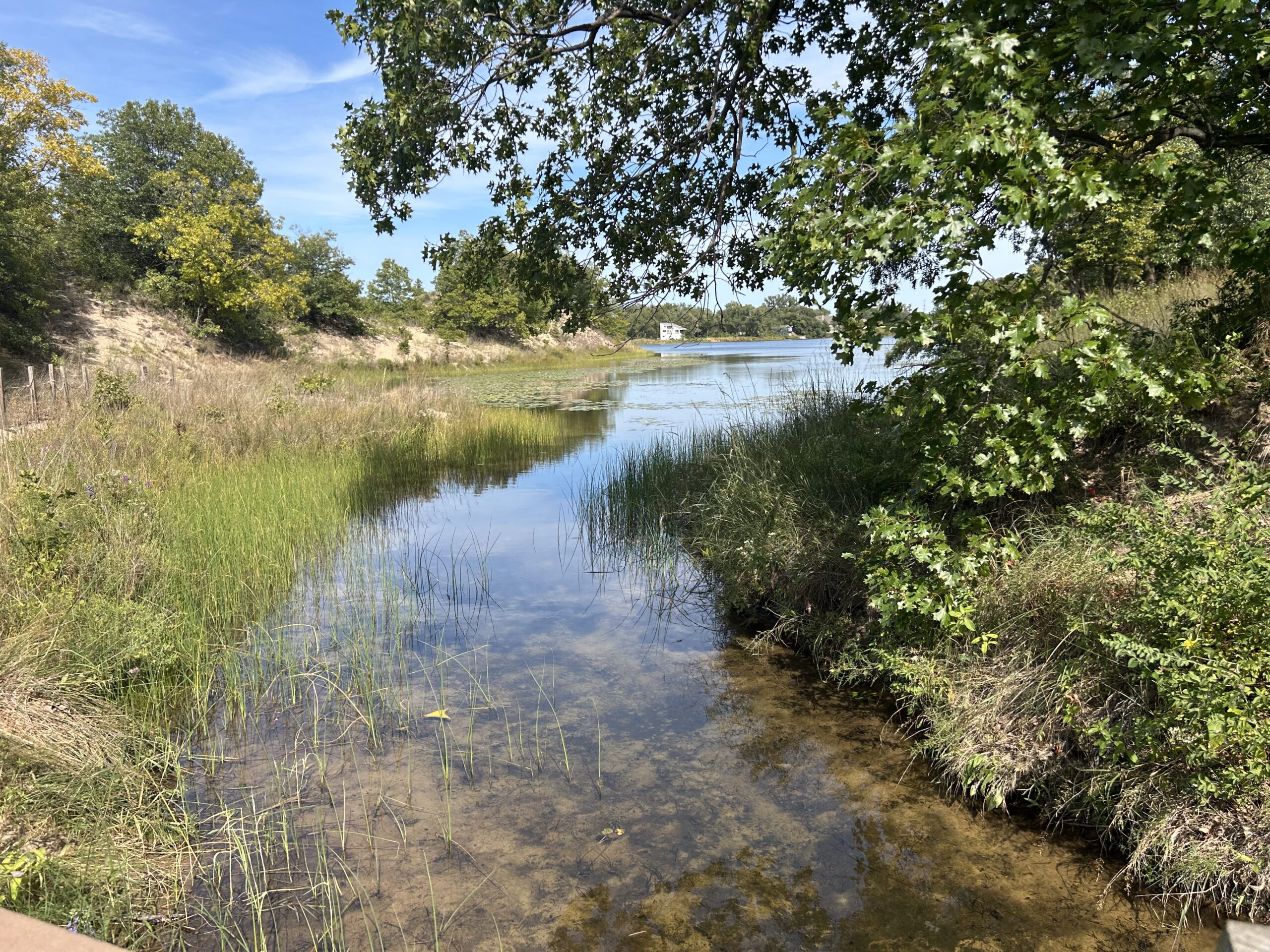
Illinois Beach State Park
Howard's Blog
January 15, 2026
EPA Undercutting State Authority to Protect Water
The Trump administration is now proposing to curb states’ rights to address pollution under the Section 401 of the Clean Water Act
By Howard A. Learner, Chief Executive Officer & Executive Director
There they go again. The U.S. EPA is now proposing to curb states’ authority under the Section 401 of the Clean Water Act to protect safe clean water in places where state and local officials are close to the ground (and water!). ELPC will strongly oppose the EPA’s misguided proposal that is both bad policy and an illegal derogation of state’s rights to protect public health and the environment. It’s contrary to the statute as written by Congress and at odds with the U.S. Supreme Court’s decision in PUD No. 1 v. Washington Dept. of Ecology (1994), which affirmed states’ authority under the Clean Water Act to protect water quality.
Section 401 has long given states and tribes the ability to review major projects like dams, landfills, and pipelines to ensure they don’t cause pollution of the Great Lakes and many other local rivers, lakes, and drinking water supplies. Stripping states of this authority weakens clean water protections, limits public accountability, and shifts power away from communities that are most burdened by pollution impacts.
Section 401 Protects Lake Michigan
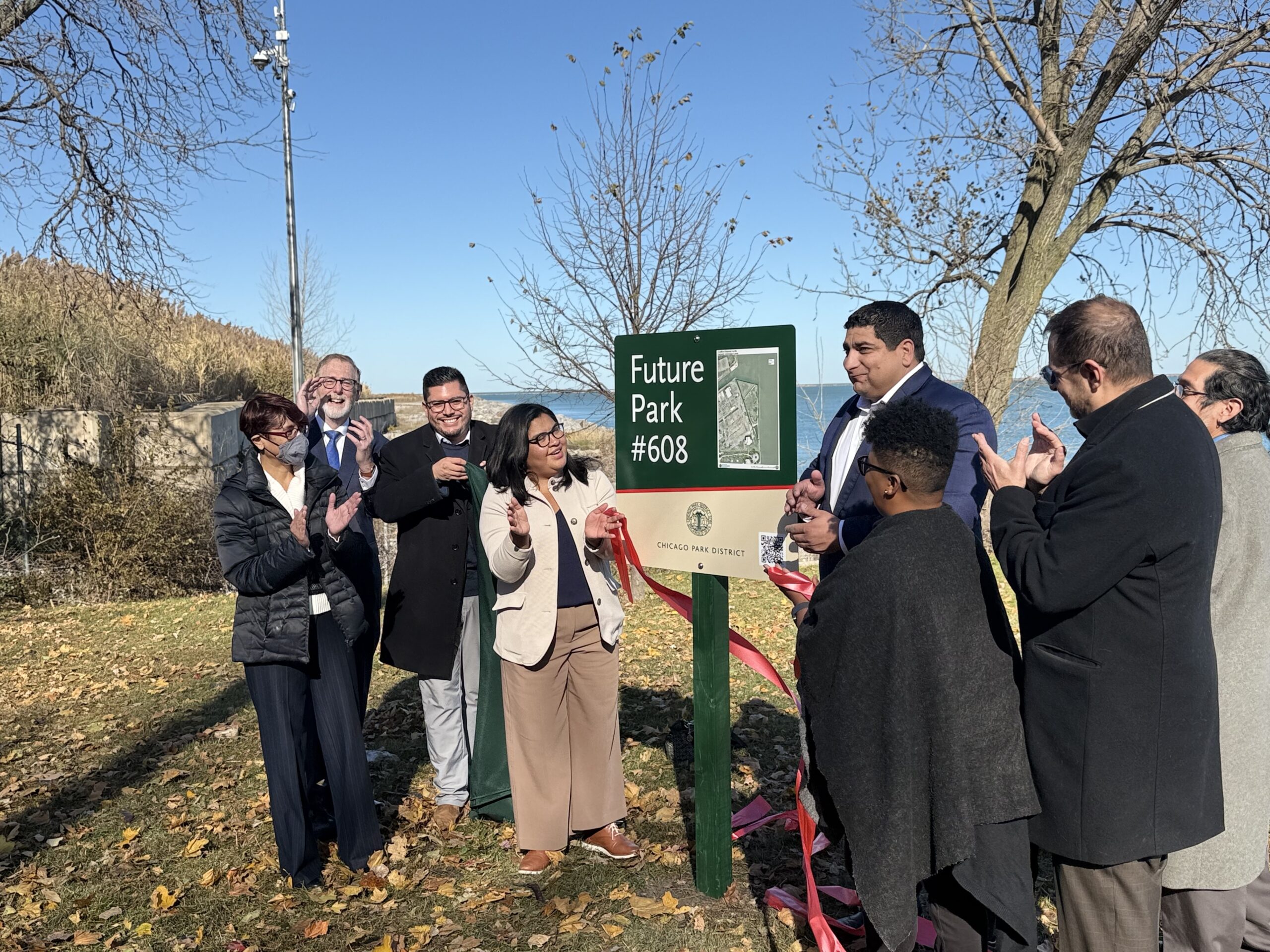
Advocates and elected officials unveiling the park sign in Calumet Park
The importance of state authority under Section 401 is exemplified by ELPC and our community group clients’ recent victory stopping the U.S. Army Corps of Engineers’ proposed new 25-feet high toxic waste landfill along the Lake Michigan shoreline in Chicago’s Southeast Side environmental justice community that has long been overburdened by toxics pollution.
In that case, the Illinois EPA denied or indicated that it would deny three required state water quality permits, including the Section 401 certification, for the proposed new toxics landfill. Those state water quality permit denials were the key turning point for achieving this victory in the federal court litigation and the court of public opinion. The Army Corps acknowledged that without obtaining these state permits, it could not go forward with its toxics waste dump.
The states’ authority under the Clean Water Act made a real difference in this case and in many other places across the nation.
Disrupting the Balance of Power Hurts Water Quality
 The U.S. EPA’s attempt to undercut this state authority disrupts the legal balance of both-and federal and state roles and powers to protect safe clean water. By passing the Clean Water Act, Congress gave states the authority to protect their own waters from federal projects that would cause pollution. EPA is now trying to take away that authority.
At a time when flooding and pollution are increasing across the Midwest, the EPA’s misguided proposal moves in exactly the wrong direction. Our governments should be strengthening, not undermining, the tools that keep our water safe. ELPC is fighting back to stop this bad, illegal Trump EPA proposal and to protect safe clean water for all.

Howard A. Learner,
Chief Executive Officer & Executive Director
Howard Learner is an experienced attorney serving as the Chief Executive Officer & Executive Director of the Environmental Law & Policy Center. He is responsible for ELPC’s overall strategic leadership, policy direction, and financial platform.
MORE FROM Howard A. Learner