
Cleveland North Coast Connector Vision
Story
July 02, 2026
Northeast Ohio Has a Lot to Gain from Passenger Rail Improvements
Facing threats on many fronts, ELPC is working with other industry leaders to keep the buckeye state’s transportation future on track
By Derrick James, Senior Policy Advocate
 Last week, rail leaders and advocates met in Cleveland to discuss the benefits of expanding passenger rail services between Ohio cities and adjacent states. The event was convened by the Northeast Ohio Areawide Coordinating Agency (NOACA), Cleveland’s official planning agency, and ELPC worked with NOACA on the speaker lineup. We heard from Amtrak, Virginia Department of Rail & Public Transit, Detroit’s Michigan Central Development, and the Southern Rail Commission.

Cleveland North Coast Connector Vision
Representing Virginia communities, Detroit and the Louisiana- Mississippi-Alabama Gulf Coast respectively, each of these regions has seen economic benefits and mobility improvements resulting from passenger rail service expansions. Ohio could see similar benefits, like connecting the state’s largest cities, which don’t have air service between them, recharging rural and small city downtown businesses by bringing new customers arriving by train right to their doors. Cleveland, in particular, is eager to improve sustainable transportation networks. Its bold new lakefront redesign project includes train station updates, bridges, and parkland, reconnecting communities to the lakefront and neighboring cities alike.
Here are some highlights from our discussion, and why this future is at risk.
Ohio Opportunities

All Aboard Ohio vision map
The bipartisan 2021 Infrastructure Investment & Jobs Act kicked off a new era for federal rail expansion. It launched planning for two new routes through Cleveland:
- Cleveland-Columbus-Dayton-Cincinnati (3C&D) – Columbus is currently the largest city in the country without passenger rail service. New train service would connect more than seven million people across the state’s largest metros, including the state capital, driving economic activity and opening sustainable options.
- Cleveland-Toledo-Detroit – Cleveland and Toledo technically have passenger rail access, but the few existing Amtrak trains only come in the middle of the night. Ohioans deserve the option to ride at a reasonable hour. Building a new connection to Michigan would boost the whole Lake Erie region, and Detroit is eager to welcome Ohio trains to its dramatic, restored Michigan Central station.

Michigan Central Station, Detroit
Additionally, the Midwest Connect line would connect Columbus east-west to Fort Wayne and Pittsburgh, and Daily Cardinal service would connect Cincinnati with Indianapolis, Charleston, and other cities every day, instead of just three days a week. Sharing positive experiences from other states helps to show lawmakers the opportunity ahead, but we must keep the pressure on as planning work has recently slowed, due to a number of political threats.
Rail Progress at Risk

Amtrak Saluki, Illinois
Progress on developing new and expanded passenger corridors is under threat on three fronts:
- Implementation – USDOT approval of route plans has slowed to a crawl, with many projects nationally waiting more than a year for federal approval to keep projects going.
- Funding – A U.S. House appropriations bill and President Trump’s FY 2027 budget proposals would slash funding for corridor development to $0, if enacted. These proposals fly in the face of overwhelming bi-partisan and geographic support for more trains.
- Policy – The U.S. House has also advanced a long-term transportation policy bill that lacks guaranteed funding like the 2021 bill that got us the progress we’ve enjoyed (new locomotives, new coaches, new manufacturing plants, upgraded stations, NEW TRAINS and record-breaking Amtrak ridership!). Read more about that in my last blog here.
ELPC and partners are working with Senate offices to introduce bills that correct these policy failures on passenger rail. We encourage all Americans to let your Senators know you want more trains, and that the House and Trump Administration are on the wrong track.
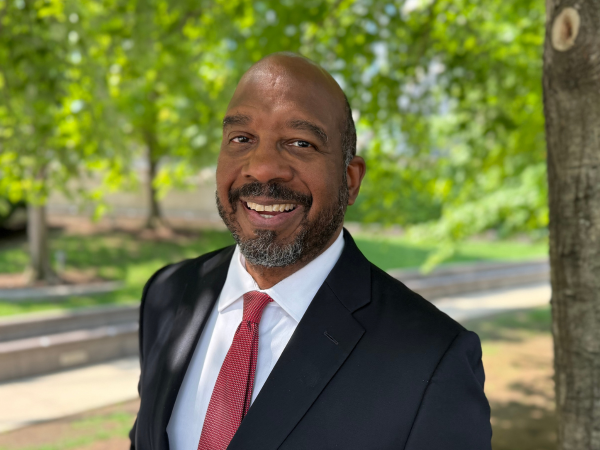
Derrick James,
Senior Policy Advocate
Derrick James is a Senior Policy Advocate with ELPC focused on transportation issues.
MORE FROM Derrick James