Comments
July 20, 2026
Ominous OMB Proposal Would Gut Federal Funding Process
ELPC joined half a million Americans calling to stop the politicization of federal programs and grants, to ensure consistency for sustainability and conservation investments
By Ann Mesnikoff, Federal Legislative Director
For most of us, in life, your word is your bond. If you agree to do a job, sign a contract to pay for a project, or even just tell your neighbor you’ll come over to help them out, you are expected to follow through, because other people depend on you. The federal government also has a responsibility to pay its bills and follow through on its contracts, but the Trump administration is trying to codify a backdoor for federal contracts that would put us all at the whim of the political winds. ELPC joined half a million Americans last week in calling to stop this extreme politicization of federal grantmaking masked by a bland name: the OMB “Regulation for Federal Financial Assistance.”
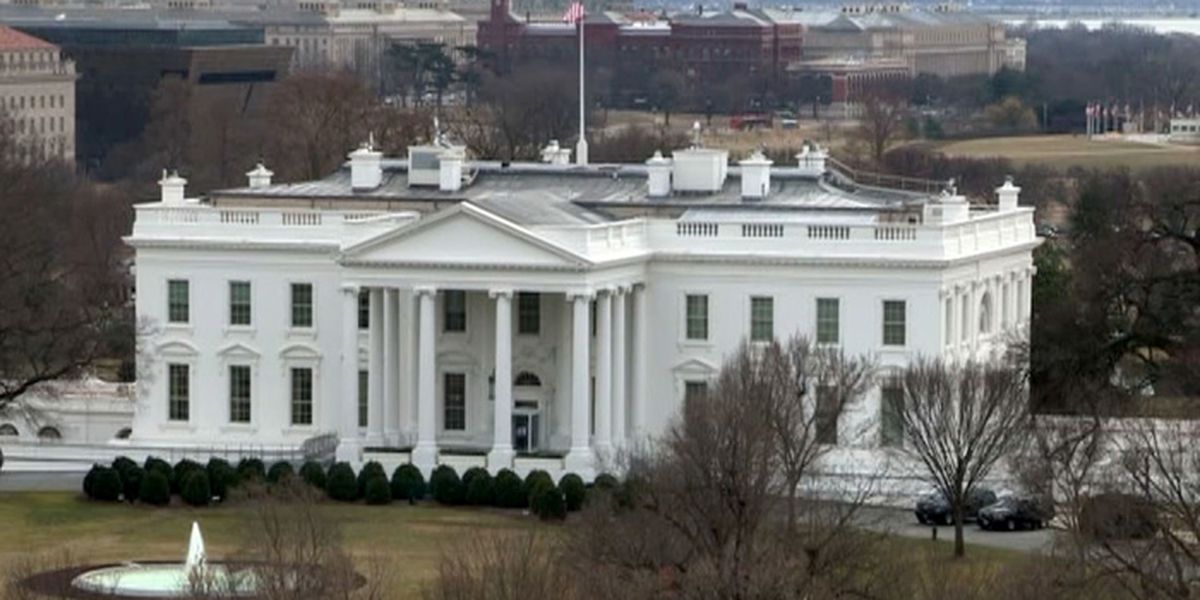 The White House’s Office of Management and Budget (OMB) generally doesn’t attract a lot of attention. But OMB Director Russell Vought has wielded the agency in a whole new direction, trying to cancel multi-year grants for scientific research, energy infrastructure, healthcare, education, transportation and more. Some of these moves have been blocked by the courts but the new OMB proposal would give carte blanche to this anti-democratic endeavor, gutting the federal funding process that underpins industries across the country.
ELPC signed onto comments focused on protecting the Great Lakes, comments focused on USDA programs and drafted our own comments specific to the US DOT and grant programs that are critical to advancing transportation investments. Here are some highlights:
Protecting the Great Lakes
The Great Lakes is where we live, work, and play, the nation’s largest freshwater source, and home to rich biodiversity at the heart of the Midwest. But over the years, the lakes have been put under tremendous strain and polluted for short-term economic gain, and today they are facing new challenges from climate change and invasive species. We depend on federal grants, cooperative agreements and other programs to restore and protect the lakes for the millions who depend on them. ELPC works with a broad coalition of groups in this work, so we joined nearly 50 organizations led by the Healing Our Waters Coalition, in submitting comments to the OMB docket.
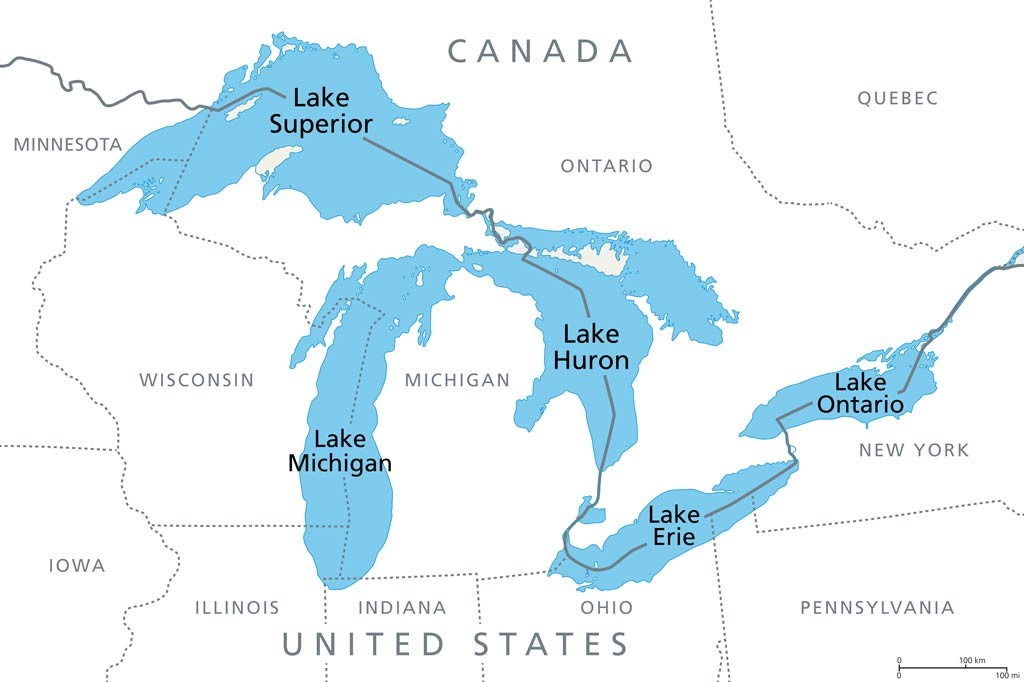 “Investments in Great Lakes restoration create jobs and lead to long-term economic benefits for the Great Lakes states and the country. A 2018 assessment estimated that for every $1 the Great Lakes Restoration Initiative (GLRI) invested through 2016 to clean up toxic hot spots in Areas of Concern (AOC), control invasive species, restore wildlife habitat, protect wetlands, and reduce toxic algal blooms more than $3 in additional economic activity regionwide will be produced through 2036. The GLRI is revitalizing our waterfronts and leading a resurgence in water-based outdoor recreation and increasing tourism across the region…
Although OMB claims it is attempting to reduce administrative burden and increase oversight through the current proposal, this regulation creates financial risk and instability for the region’s states, Tribes, cities, and non-governmental groups. Many non-federal stakeholders may be unable to accept increased financial and legal risks this regulation imposes blocking them from participating in the region’s restoration and protection work.
In addition to our general concerns, we also have specific concerns related to the proposal’s impact on Great Lakes science. Grant funded research across Midwestern colleges and universities is essential to understanding the impacts of climate change on the Great Lakes, the health of communities across the region, and state and regional economies. Research shows that this warming threatens communities with extremes in temperature and precipitation, threats from flooding, more dangerous heat and tick-born diseases, impacts ice cover on the Lakes which disrupts ecosystems and shoreline erosion, contributes to worsening toxic algal blooms threatening drinking water and fisheries, impacts weather dependent tourism. A 2019 report and a 2025 update demonstrate how federal funded research can inform the public and decision-makers at all levels.”
Building Sustainable Transportation
The goal of federal DOT funding should be to build a transportation system that kills less people, is environmentally and financially sustainable, and increases and improves mobility for all. Fact-based federal grantmaking and consistent funding follow-through are critical to achieving these goals. Subjecting real infrastructure grants to this proposed rule will jeopardize projects by increasing costs and uncertainty. Creating such unstable financial footing will reduce real mobility, business growth, and environmental benefits to communities.

Amtrak Saluki, Illinois
Here are just a few transportation grants at risk that Midwest communities depend on:
- Safe Streets and Roads for All
- Reconnecting Communities Pilot
- National Electric Vehicle Infrastructure program
- Tribal Transportation Program Safety Fund
- Congestion Mitigation and Air Quality Improvement program
- Transportation Alternatives Program
Furthermore, ELPC stresses the importance of investing in freight and passenger rail. Trains build community, support domestic industry, reduce pollution, and use resources efficiently for the betterment of our nation. Investments in our nation’s rail infrastructure are long timeline projects that rely on consistent, reliable funding. These projects take broad partnerships of businesses, railroads, state and local governments coming together in a bipartisan manner to conceive, plan, fund and construct projects with multi-generational benefits. That framework unravels if funding is cut off, so a reliable federal government partnership over many years is vital or these sorts of longevity projects would not happen.
Conservation, Sustainable Agriculture, & Food Justice
ELPC also signed onto comments, led by Earthjustice, concerning how the OMB rule would affect funds from the U.S. Department of Agriculture (USDA). We joined 55 organizations representing sustainable farming, farmer, and farmworker communities; environmental, health, and healthy food concerns; and land and rural community interests who are concerned about its grave implications.
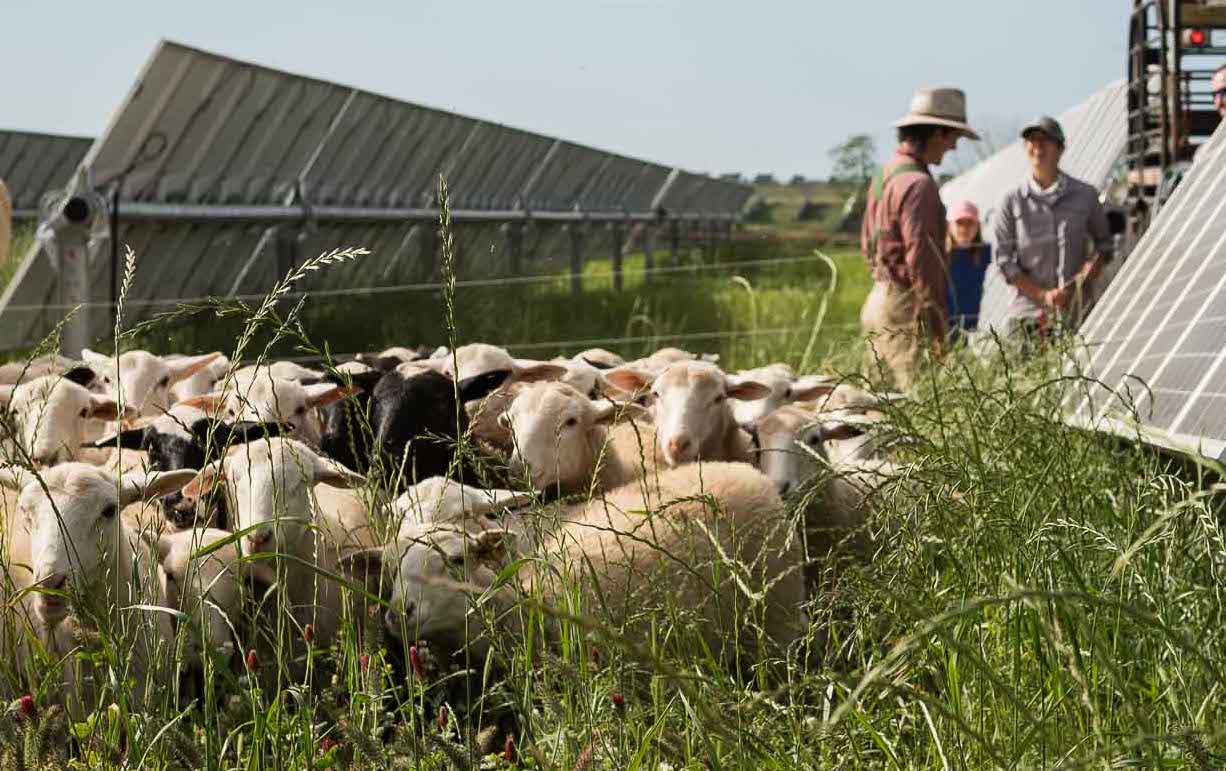
White Oak Pastures sheep graze on a local solar farm, supported by a USDA REAP loan
“The new terms and conditions in the Proposed Rule include several provisions that would impose vague and unprecedented substantive and politically charged requirements on grantees—including USDA grantees—mandating that they follow the Administration’s positions on substantial issues of social policy… The Proposed Rule also contains a termination provision that allows USDA to cancel an award—including an award to a farmer, university, or nonprofit—mid-project for no reason beyond a vague and unspecified shift in “agency priorities” after performance has begun…
We highlight here some of the most problematic provisions that will impose huge compliance burdens on the farmers, farmer-serving organizations, food banks, conservation districts, state and local governments, and rural communities who until now have benefited from USDA financial assistance:
- Politicizing Federal Financial Assistance
- Codifying Viewpoint Discrimination in Violation of the 1st & 14th Amendments
- Prohibiting Foreign Collaboration
The proposed conditions are unlawful. This rule would adversely affect countless USDA programs that address hunger, nutrition, conservation, forestry, and research, and it will impose substantial hardship on farmers and rural communities.

Ann Mesnikoff,
Federal Legislative Director
Ann Mesnikoff is the federal legislative director at ELPC, working in Washington, D.C., with the Midwest Congressional Delegation and national coalitions to advance supportive clean energy, clean water and clean air, and transportation reform policies.
MORE FROM Ann Mesnikoff