
Story
March 23, 2026
Trump’s Housing Order Puts Water Risks on Homeowners
New Executive Order on Housing Guts Water Protections and Makes Housing More Vulnerable, Not More Affordable
By Nancy Stoner, Senior Attorney
President Trump signed an executive order recently under the guise of affordable home ownership. On paper that sounds great. The public wants safe, comfortable, and affordable housing; it’s part of the American Dream.
In practice, the President’s executive order would be a nightmare for residents. It would shift costs from developers to homeowners, renters, and whole communities by weakening protections under the Clean Water Act. If construction is shoddy, planning is nonexistent, or the building is in a floodplain, developers are nowhere to be found by the time problems show up. It’s the homeowners who are left with the costs and consequences of weaker water protections.
Trump’s executive order requires EPA and the U.S. Army Corps of Engineers to “review and revise requirements related to stormwater, wetlands, lakes, rivers, and other bodies of water” supposedly “to reduce housing construction and ownership costs…” Let’s look at how these changes would hurt homeowners:
Flooding
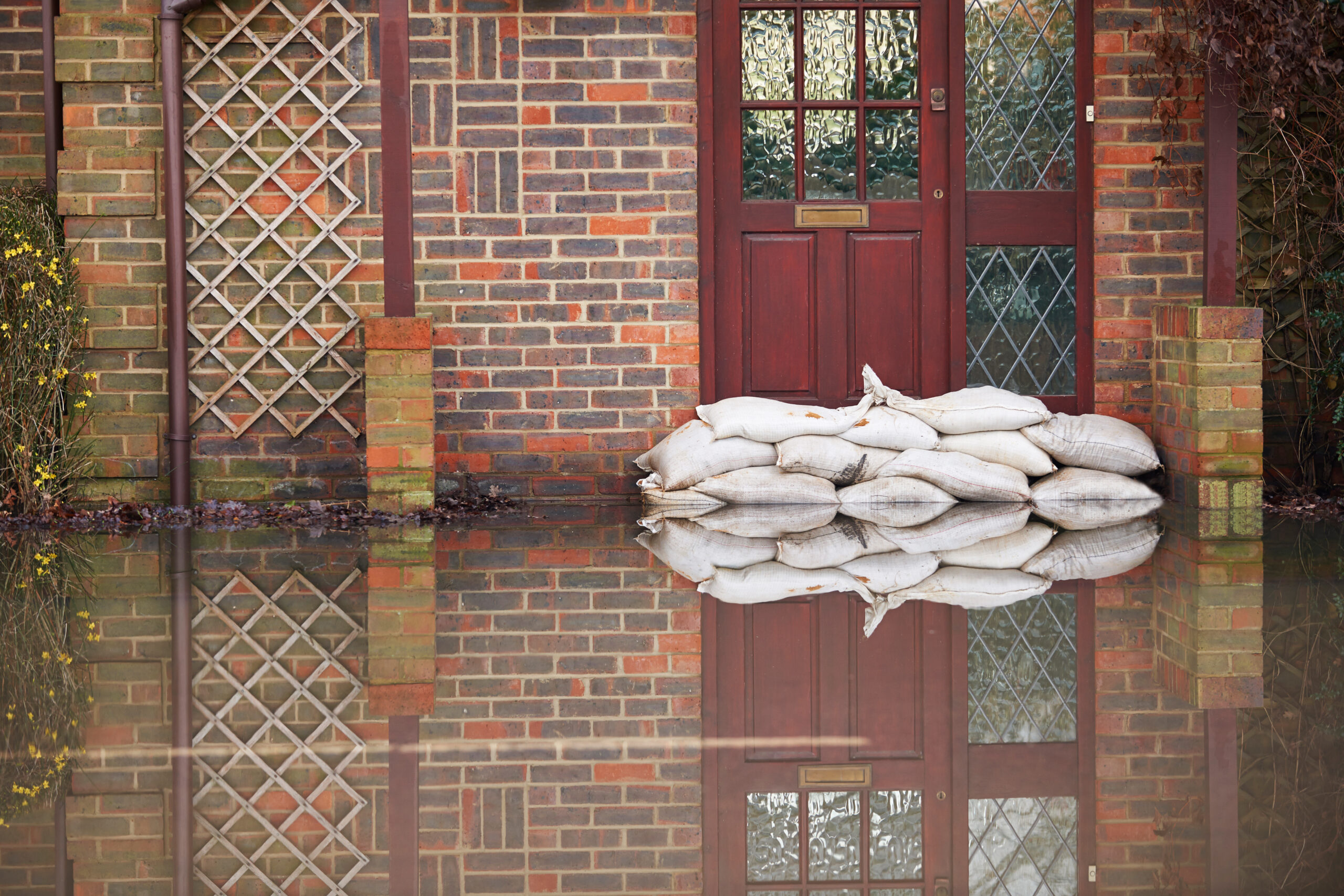 When new developments add more impervious surfaces (like buildings, driveways, and roofs), that means more stormwater runoff into waterways. Thoughtful planning can improve flow and control such discharge, so neighborhoods are safe and secure. Otherwise, communities may face washed-out roads, erosion, and weak foundations.
Basement sewage
Anyone who’s had a backup in their basement will tell you it’s a nightmare. Stormwater and sewage backups can destroy valuable belongings, make bedrooms uninhabitable, lead to hidden mold growth, and require expensive cleanup.
Dirty water
Some parts of order don’t even have anything to do with housing, like the attack on the Total Maximum Daily Load program. TMDLs manage pollution levels in waterways nationwide, so we don’t get contaminated drinking water and streams that are unhealthy to swim. No matter where you live, clean water is a basic human need.
Shifting Costs
A shoddy construction project may save developers a few bucks, but if it costs buyers more later on repairs, higher insurance, and health problems, then it’s not more affordable. A home is often the biggest investment most of us will make in life; we want to be able to invest confidently, not get more stress and uncertainty.
Filled-In Wetlands
Wetlands can improve the quality of our water supply and provide enormous cost savings to local economies by filtering pollutants, absorbing floodwater, and fostering hundreds of diverse species. The value of wetlands to the U.S. economy has been estimated to be about $10,000 per acre per year. But filling wetlands to build cheap housing is a lose-lose for the resident and the ecosystem.
Disaster Risk

Flooding in Michigan
Scientists expect the cost and frequency of extreme weather events to rise, as climate change impacts increase. Hail damage, flooding, ice storms, extreme heat and wildfires are already fueling costly repairs across the Midwest. Rolling back water protections and filling in carbon sinks like wetlands will not help.
These are just a few examples of the short-sighted attacks on housing affordability and health in this executive order. It also makes it harder to build affordable clean energy or efficient homes that don’t waste heating and cooling. Yes, we need affordable housing, but there are better solutions to our housing crisis that won’t write a blank check for future disasters. We need more green housing that makes it easy to waste less energy. We need more walkable infill housing near main street shops and businesses that saves money by making the most of existing infrastructure like roads, pipes, and power lines. We don’t need more unplanned sprawl that can eat away at prime farmland, wetlands, and wilderness.
Poll after poll for decades have demonstrated that Americans want clean and safe water, and they want the EPA to do more to protect waterways, not less. The American people deserve homes that are safe and comfortable, not cheap shacks built in floodplains with no landscaping, inadequate plumbing, and an inadequate or unsafe drinking water supply.
Cutting back Clean Water Act protections doesn’t create the American Dream, it destroys it.
Nancy Stoner,
Senior Attorney
Nancy Stoner is a Senior Attorney with ELPC focused on clean water issues.
MORE FROM Nancy Stoner